
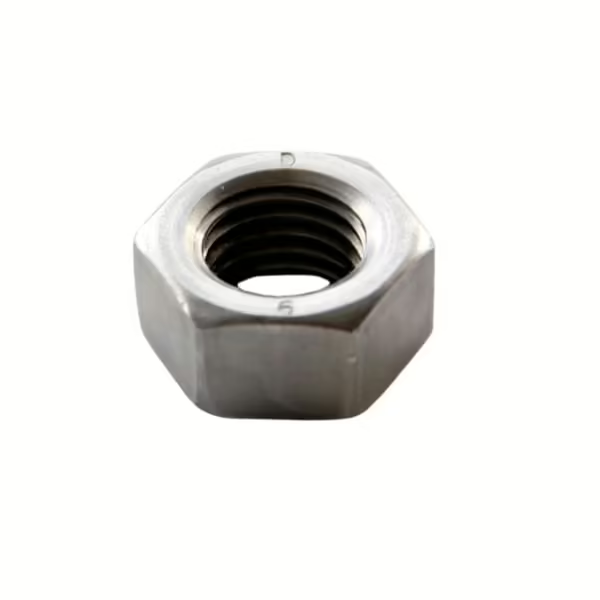
Rivet Nut & Bolt
Create High-Strength Threads in Thin Materials
Overcome the limitations of thin gauge metals with our professional selection of rivet nuts and clinch nuts. Designed for applications where the material is too thin to tap, these fasteners provide a permanent, load-bearing thread for bolts and screws. Whether you are fabricating electronic enclosures requiring flush-mounted clinch nuts or installing blind rivet nuts in automotive frames, Fastener Core delivers reliable anchoring solutions for B2B manufacturers and B2C projects alike.
- Versatile Threading Solutions: Offering both Blind Rivet Nuts (install from one side) and Self-Clinching Nuts (press-in installation).
- Material Durability: Available in Galvanized Carbon Steel for general strength and Stainless Steel for corrosion protection.
- Volume Tiered Pricing: Competitive rates for palletized wholesale orders and flexible options for prototyping needs.


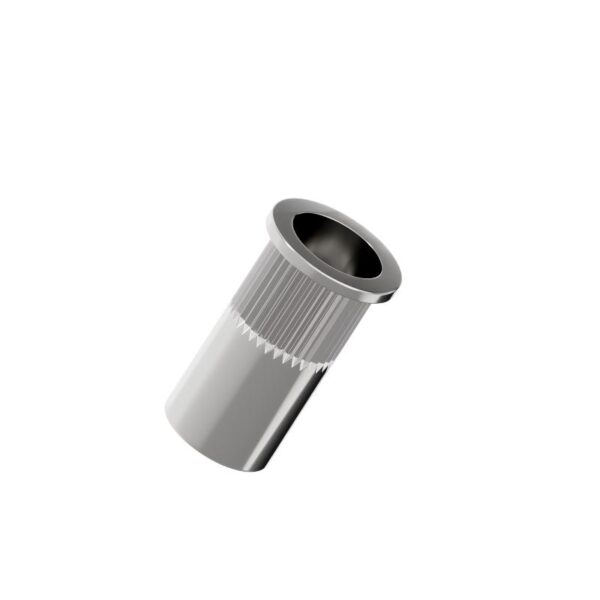
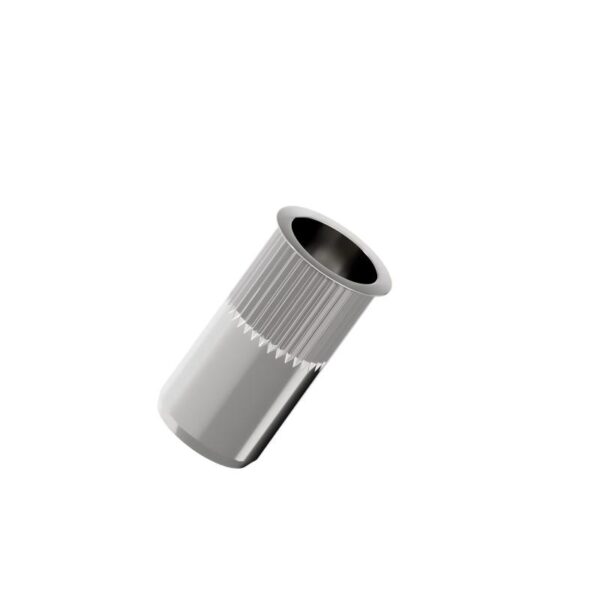
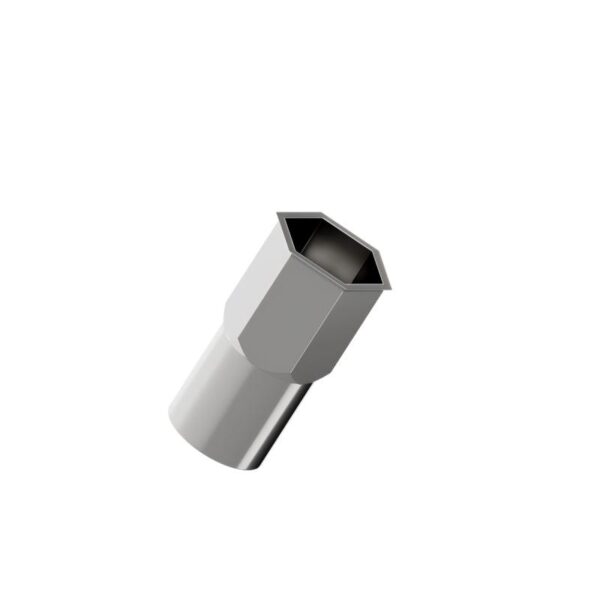
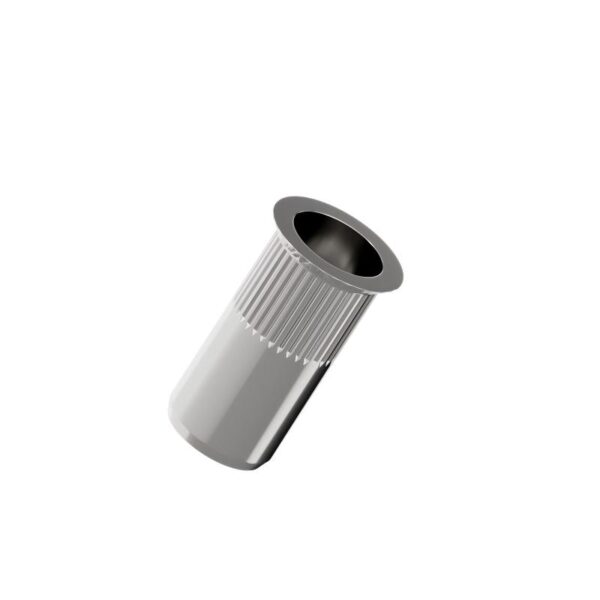
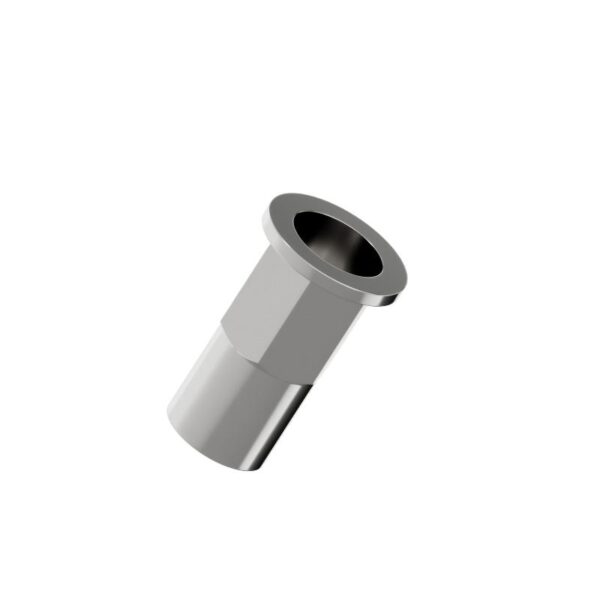
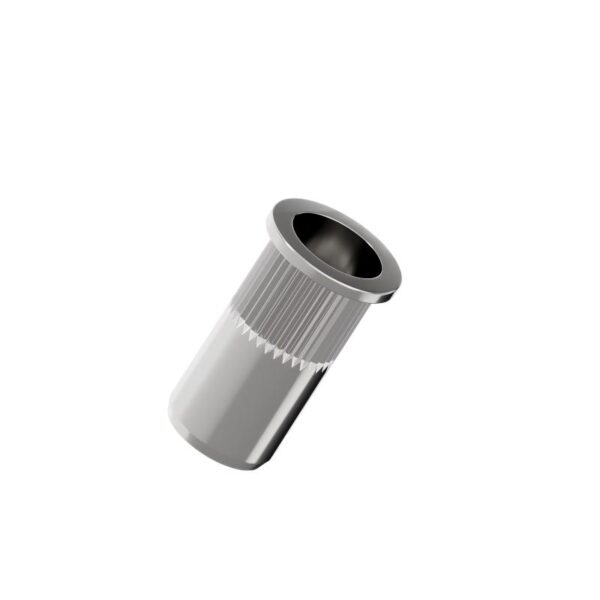
Understanding Rivet Nuts and Clinch Nuts
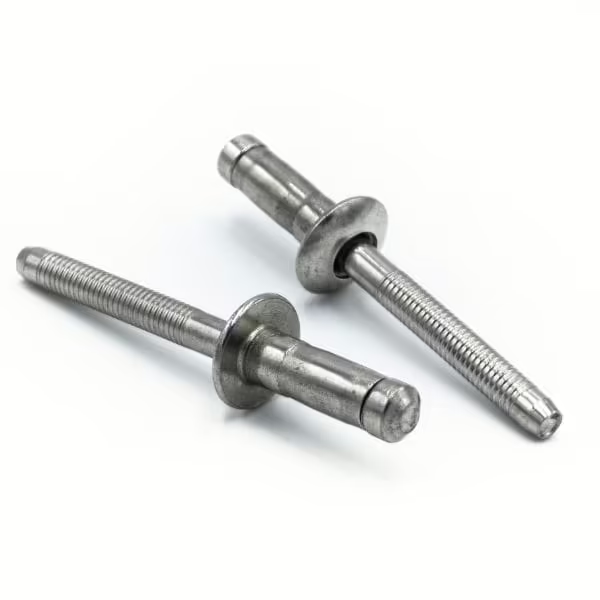
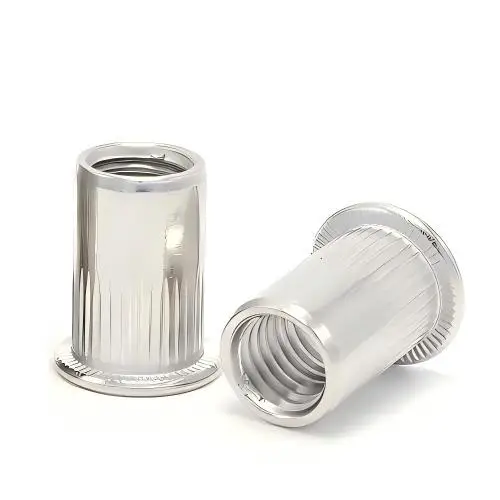
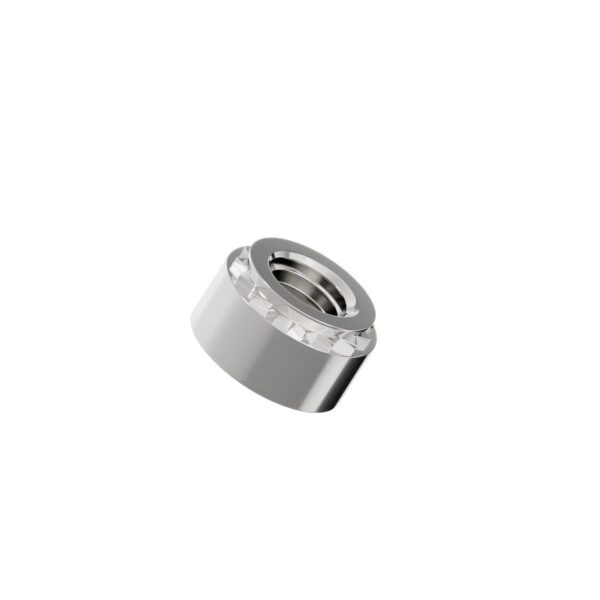
Our "Rivet Nut & Bolt" category focuses on solving a specific engineering challenge: how to bolt components onto thin sheet metal, tubing, or plastics. Rivet Nuts (also known as blind threaded inserts) act like a rivet but leave a threaded hole, allowing for installation even when the backside of the work piece is inaccessible. Clinch Nuts are designed to be pressed into ductile metal sheets, causing the host material to flow around the fastener, locking it securely in place.Material Guide: Stainless Steel vs. Galvanized Steel
Selecting the right material is critical not only for corrosion resistance but also for installation compatibility. Harder host materials may require specific insert hardness levels to install correctly.| Material Option | Corrosion Resistance | Hardness & Strength | Best Use Case |
|---|---|---|---|
| Stainless Steel (304/316) | High to Superior (No plating needed). | Work-hardens during installation. Strong threads. | Food processing, medical devices, outdoor enclosures, and marine environments. |
| Galvanized Carbon Steel | Moderate (Zinc plated for protection). | High ductility, easier to install in harder sheets. | General automotive assembly, furniture, electrical cabinets, and indoor machinery. |