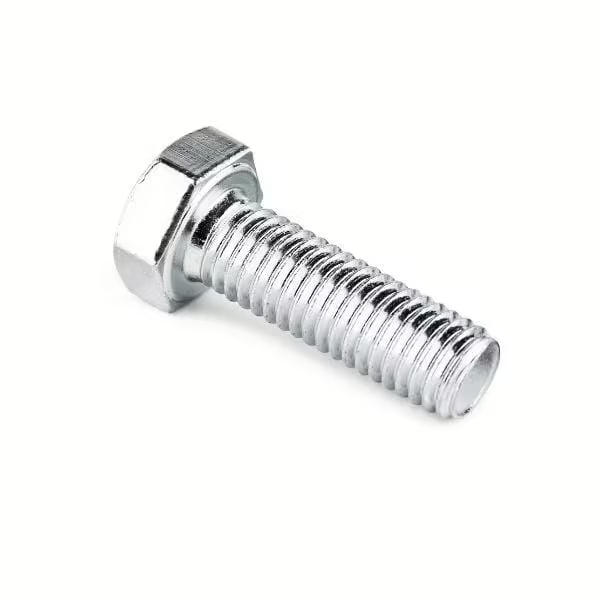
Hexagon bolt
Engineered for Strength and Durability
Secure your critical infrastructure with our professional range of hexagon bolts, designed for high-torque assembly. Whether you require the rust-proof longevity of Stainless Steel for outdoor fixtures or the extreme tensile strength of Grade 12.9 Carbon Steel for heavy machinery, we have the precise specification. Fastener Core serves both industrial manufacturers and individual projects with robust hardware solutions tailored to your environment.
- Dual Material Mastery: Stocking premium Stainless Steel (A2/A4) for superior weather resistance and Carbon Steel (Grades 4.8-12.9) for structural loads.
- High-Torque Performance: The six-sided head design enables maximum tightening force using standard wrenches, ensuring tight, non-slip connections.
- Global Logistics: We provide professional international shipping via sea, air, and land to ensure your production supply chain remains stable.
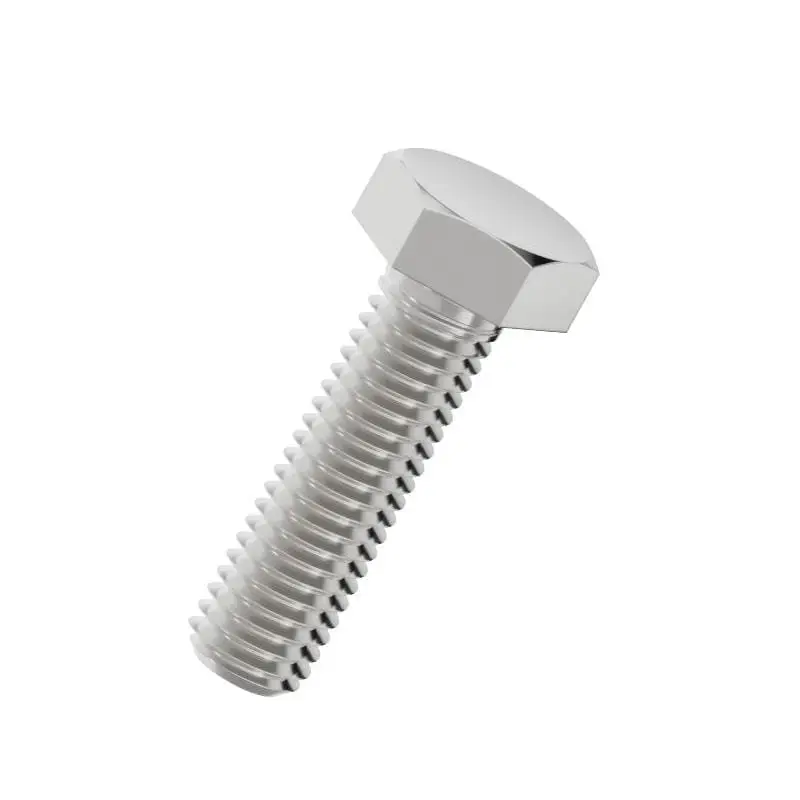

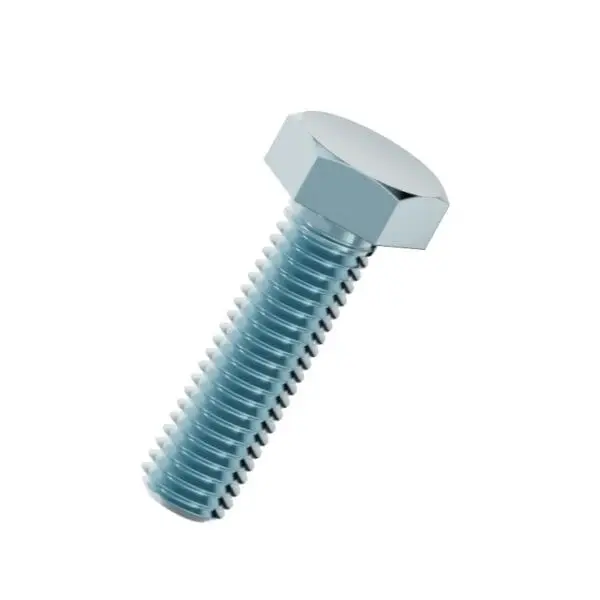
Overview of Our Hexagon Bolt Collection
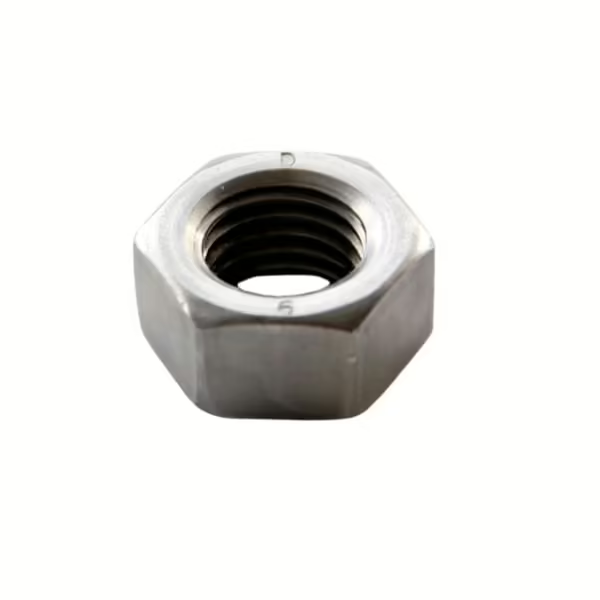
Hexagon bolts are the most widely used fasteners in construction, repair, and automotive industries. Characterized by their six-sided head, they are designed to be tightened with a wrench or socket, allowing for high torque application. Our collection spans the full spectrum of material properties, ensuring we have the right bolt whether you need ductility for a fence post or extreme tensile strength for an engine block.Material and Grade Guide: Decoding the Numbers
Selecting the right hexagon bolt largely depends on the mechanical stress the joint will endure. Carbon steel bolts are marked with grade numbers (e.g., 8.8), while stainless steel bolts focus on corrosion resistance.| Grade / Material | Material Type | Strength Level | Best Use Case |
|---|---|---|---|
| Grade 4.8 | Low Carbon Steel | Low (Ductile). | Non-critical fastening, furniture, temporary structures. |
| Grade 8.8 | Medium Carbon Steel | High (Structural Standard). | General construction, steel framework, automotive suspension. |
| Grade 10.9 / 12.9 | Alloy Steel | Ultra-High Tensile. | Heavy machinery, mining equipment, critical engine components. |
| Stainless (A2/A4) | Stainless Steel | Moderate (Class 70/80). | Outdoor fixtures, chemical plants, marine environments. |