
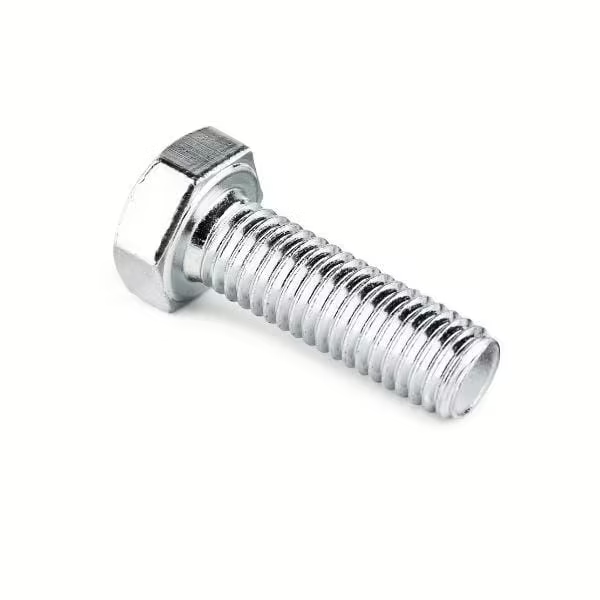
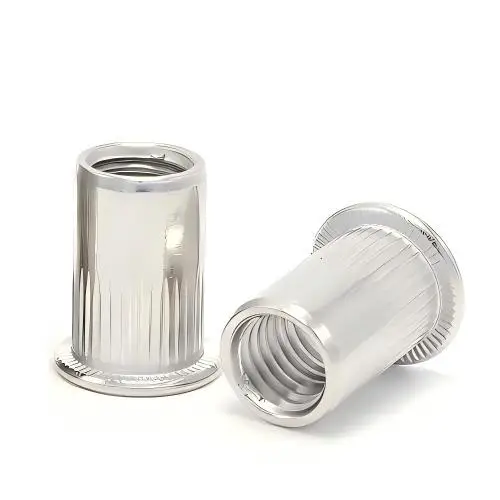
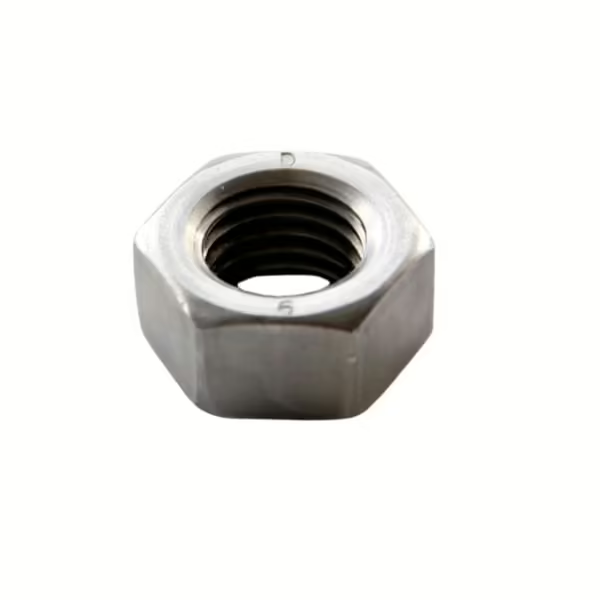
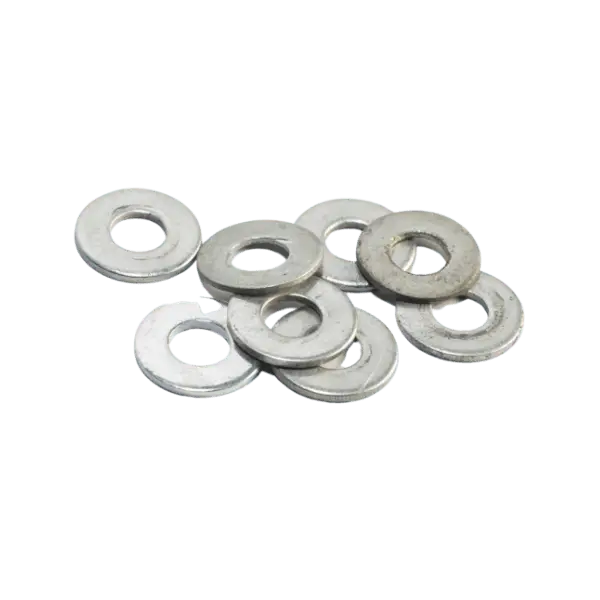
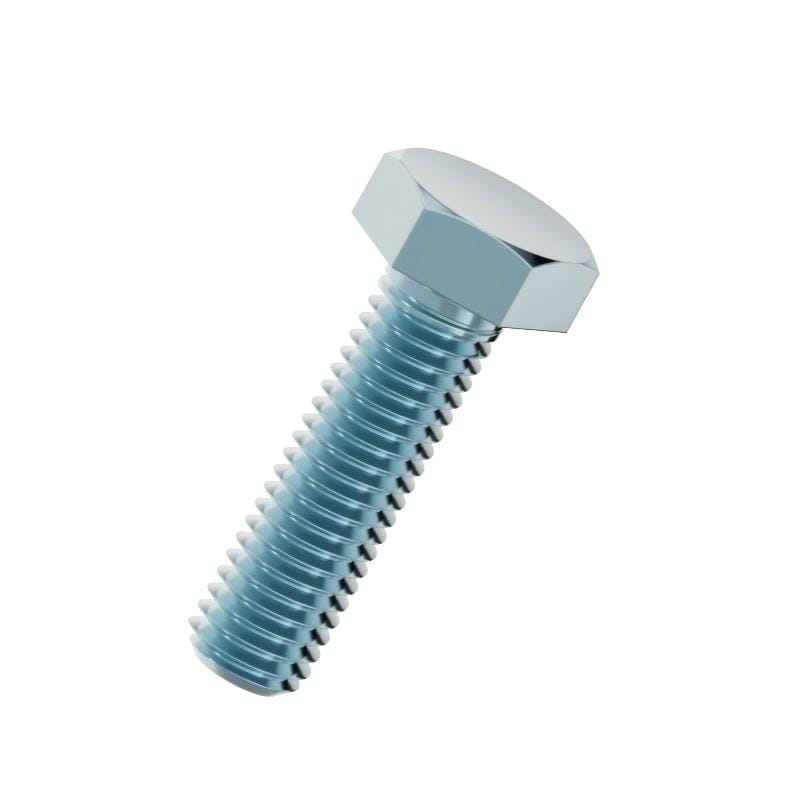
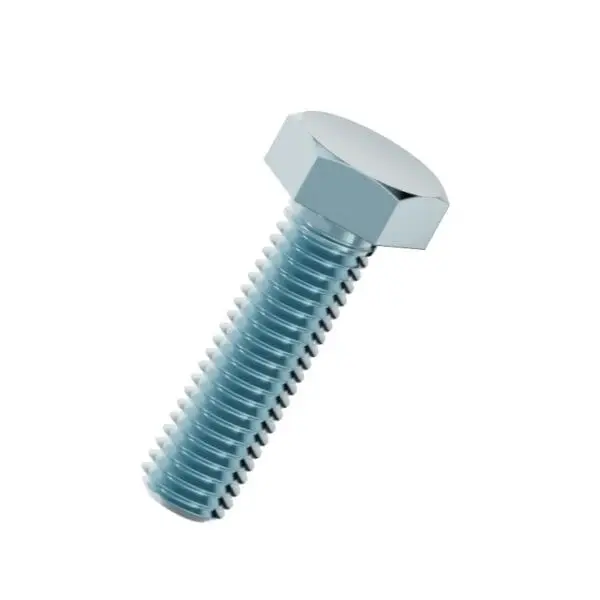
10.9 Grade – White zinc – Hexagon bolt
Grade 10.9 hexagon bolts are engineered for heavy-duty applications where standard high-tensile fasteners are insufficient. Manufactured from quenched and tempered low-carbon alloy steel, these bolts offer exceptional strength-to-weight ratios with a minimum tensile strength of 1000 N/mm². The white zinc plating provides a clean, corrosion-resistant finish, making them suitable for automotive suspension systems, heavy machinery, and structural engineering requiring high clamping forces.
- Superior Strength: Rated at 1000 MPa tensile strength, providing 25% more load-bearing capacity than standard Grade 8.8 bolts.
- Alloy Material: Produced from high-grade alloy steel to ensure hardness and fatigue resistance under dynamic loads.
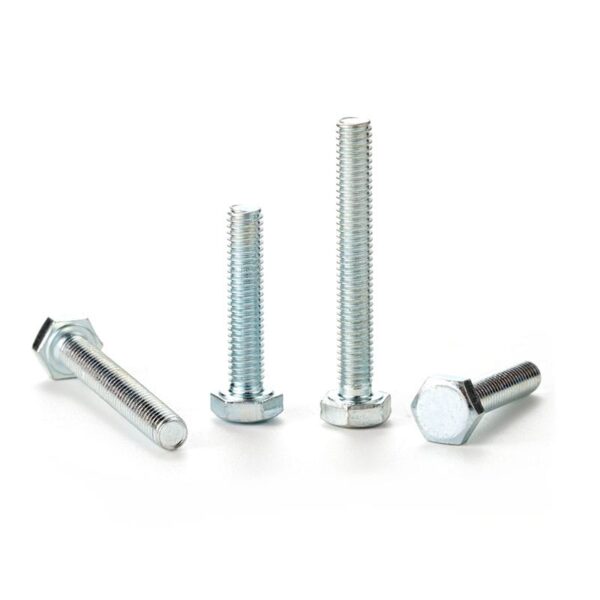
- Availability: We stock a comprehensive range of diameters and lengths, ready for immediate dispatch to B2B and industrial clients.
Showing 1–24 of 197 results
Grade 10.9 Performance Characteristics
Grade 10.9 fasteners represent a significant step up in performance. They are typically specified in applications where size constraints limit the use of larger bolts, necessitating a smaller bolt with higher strength. The material is heat-treated to achieve high hardness, making it critical to follow precise torque specifications during installation to avoid failure.Mechanical Properties Specification
The "10.9" marking indicates specific metallurgical properties defined by ISO 898-1 standards:| Property | Value | Engineering Implication |
|---|---|---|
| Tensile Strength | 1000 N/mm² (Min) | The absolute breaking point. Extremely resistant to snapping under tension. |
| Yield Strength | 900 N/mm² (Min) | Calculated as 90% of tensile strength. Allows for very high pre-load clamping force. |
| Material Base | Low Carbon Alloy Steel | Contains alloy elements (like Boron or Manganese) for deep hardenability. |
Quality Assurance
Given the critical nature of these bolts, material verification is often required. We can provide an EN 10204 3.1 Material Certificate upon request. Please note that third-party inspection services require an additional fee.Critical Industrial Applications
Due to their high yield strength, Grade 10.9 bolts are essential in sectors involving high stress and vibration:- Automotive Suspension: Control arms, struts, and brake calipers where failure is not an option.
- Heavy Trucking: Chassis assembly and wheel hubs.
- Construction Equipment: Hydraulic rams and pivot points on excavators and cranes.
- Wind Energy: Turbine nacelle assembly and blade root connections.