Rivets
Permanent Fastening Solutions for Industrial Assembly
Achieve secure, vibration-resistant joints with our extensive catalog of industrial rivets. From versatile blind rivets for single-side access installation to heavy-duty solid rivets for structural integrity, we supply the hardware that keeps your manufacturing lines moving. Whether you are riveting lightweight aluminum panels or heavy steel frameworks, Fastener Core offers a hybrid B2B/B2C platform tailored to your procurement scale.
- Comprehensive Range: Stocking Blind (Pop), Solid, and Semi-Tubular rivets in a wide variety of dimensions.
- Material Diversity: Aluminum for lightweight needs, Carbon Steel for strength, and Stainless Steel for corrosion resistance.
- Volume Tiered Pricing: Optimized costs for bulk pallet orders and flexible options for smaller repair packs.
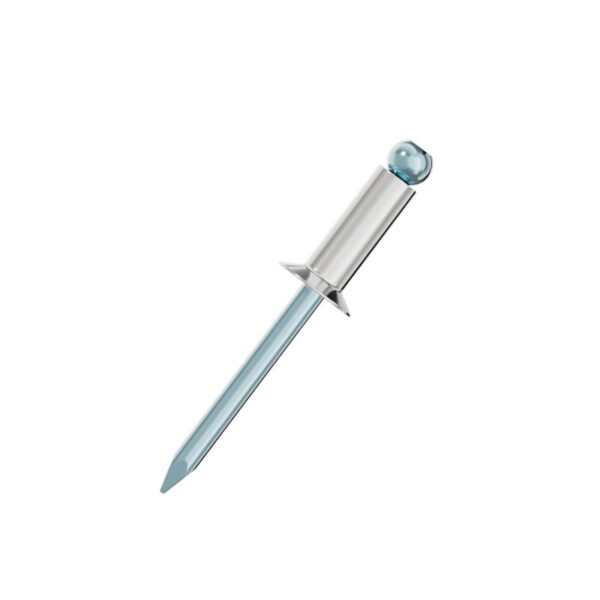
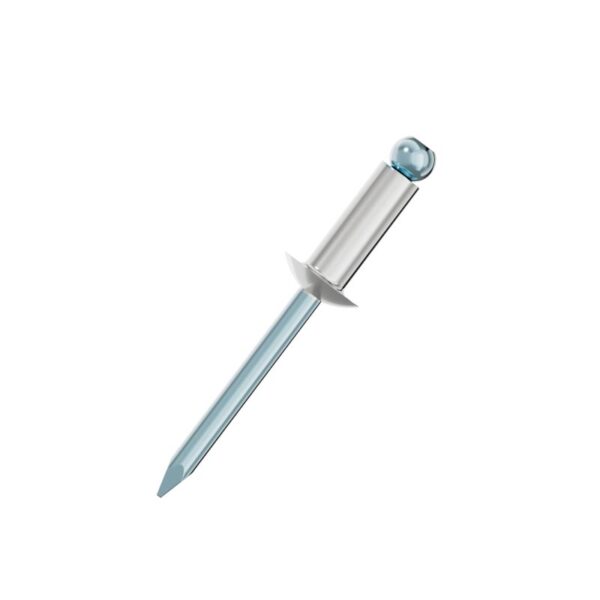
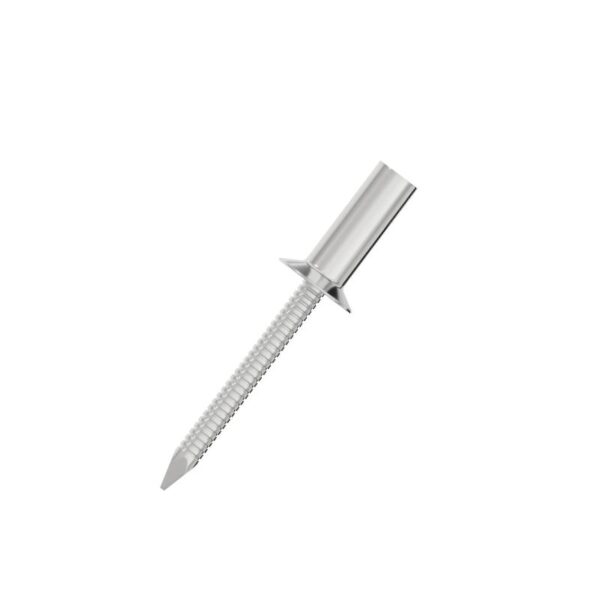
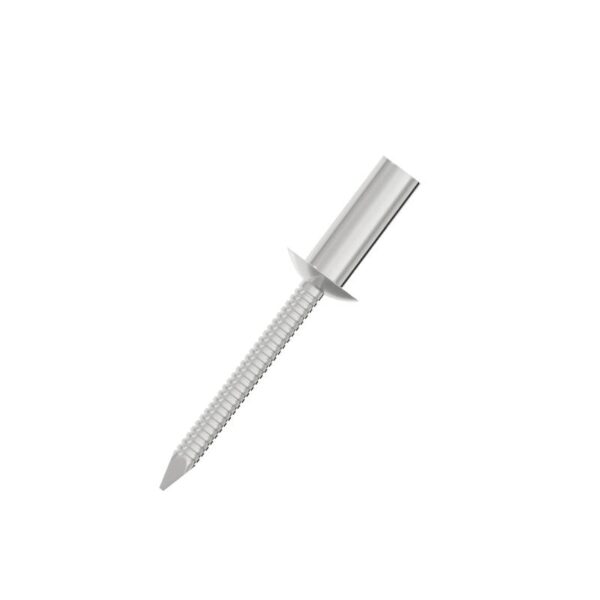
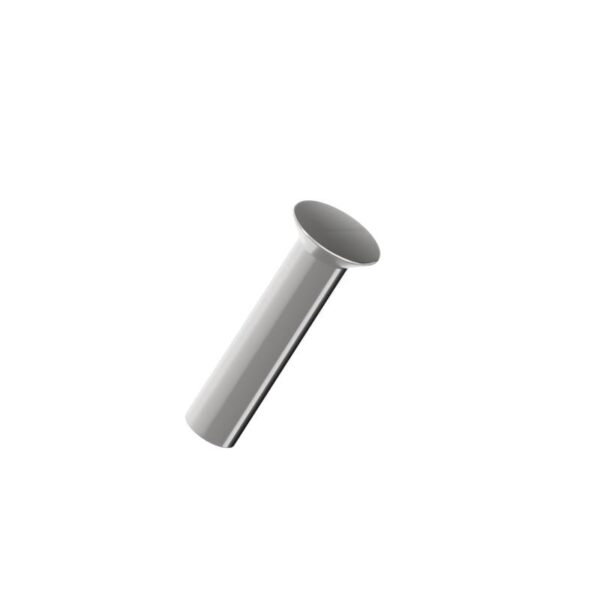
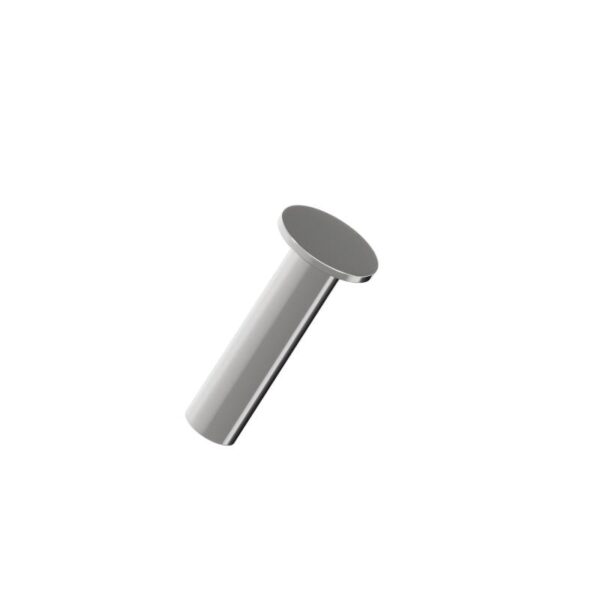
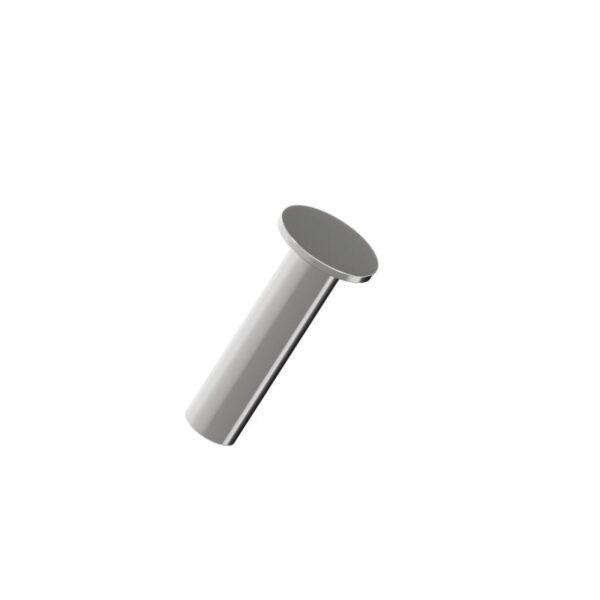
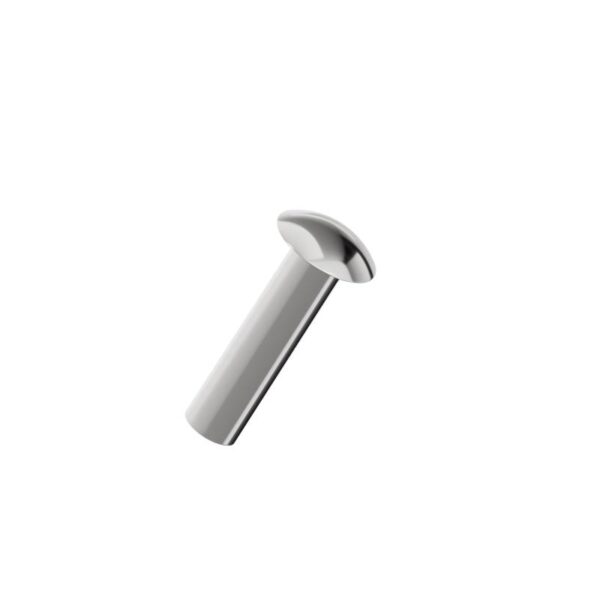

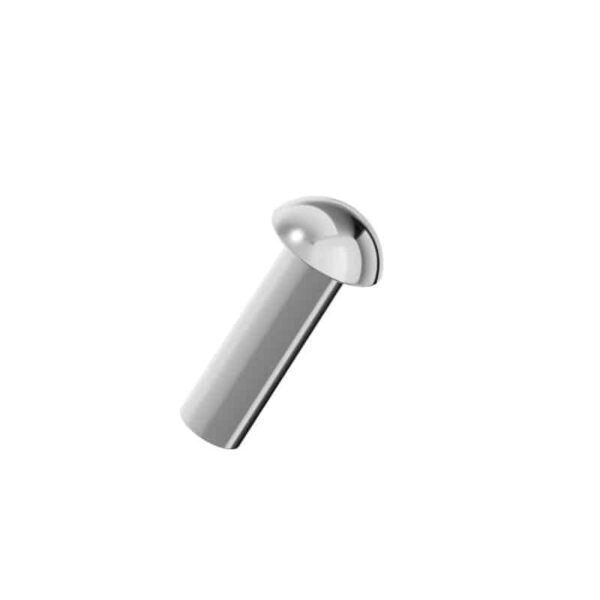
Overview of Our Rivet Collection
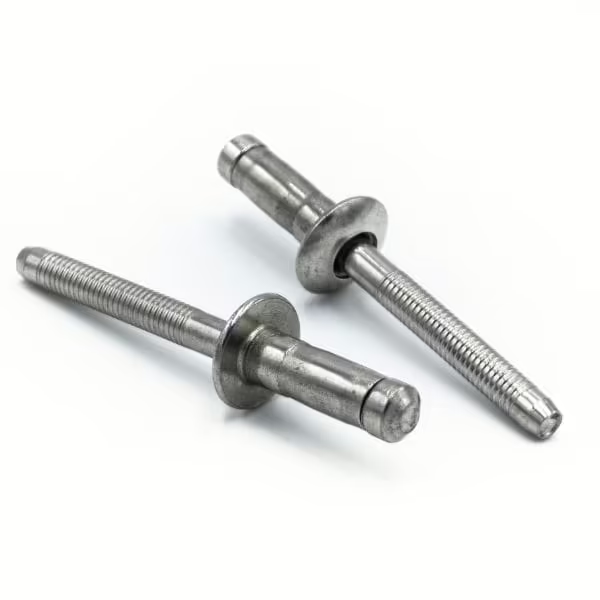
Rivets are the fastener of choice when vibration resistance and permanent bonding are required. Unlike threaded fasteners which can loosen over time, rivets expand to fill the hole, creating a sealed and solid joint. Our selection includes Blind Rivets for quick installation where the rear of the workpiece is inaccessible, Solid Rivets for maximum shear strength in structural applications, and Semi-Tubular Rivets ideal for pivoting joints and automotive brake linings.Material Selection Guide for Rivets
Choosing the right rivet material is crucial not just for strength, but to prevent galvanic corrosion (dissimilar metal reaction). A general rule is to match the rivet material to the material of the panels you are joining.| Rivet Material | Weight vs. Strength | Corrosion Resistance | Recommended Application |
|---|---|---|---|
| Aluminum | Lightweight / Low Shear Strength | Good (forms oxide layer). | Joining aluminum sheets, consumer electronics, signage, and soft materials. |
| Carbon Steel | Heavy / High Shear Strength | Low (requires Zinc plating). | Automotive chassis, heavy machinery, steel cabinets (indoor). |
| Stainless Steel (304/316) | Heavy / High Shear Strength | Excellent to Superior. | Food processing equipment, marine vessels, outdoor construction, chemical plants. |