Stainless steel - Hexagon socket countersunk head screw
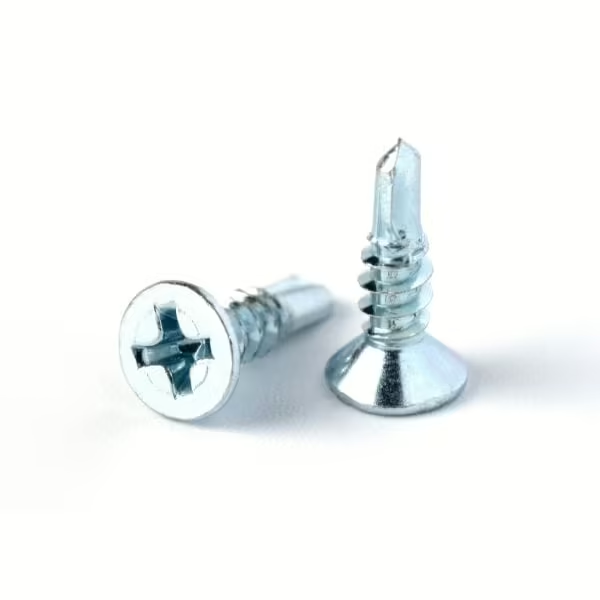
Our Stainless Steel Hexagon Socket Countersunk Screws combine sleek, flush-mount aesthetics with the superior durability of austenitic stainless steel. Designed to DIN 7991 specifications, these fasteners feature a flat head with a 90-degree cone, allowing them to sit perfectly level with the surface. Whether you are assembling marine hardware, architectural fittings, or food processing machinery, our range of Grade 304 (A2) and Grade 316 (A4) screws ensures a smooth finish that resists corrosion and wear.
- Flush Finish: The countersunk head sinks into the material, creating a snag-free surface that is ideal for moving parts or visible design elements.
- Material Excellence: Available in A2 (304) for general corrosion resistance and A4 (316) for high-performance protection in marine environments.
- Wholesale Value: We offer tiered pricing structures that provide significant cost savings for bulk B2B orders, alongside flexible options for smaller project needs.
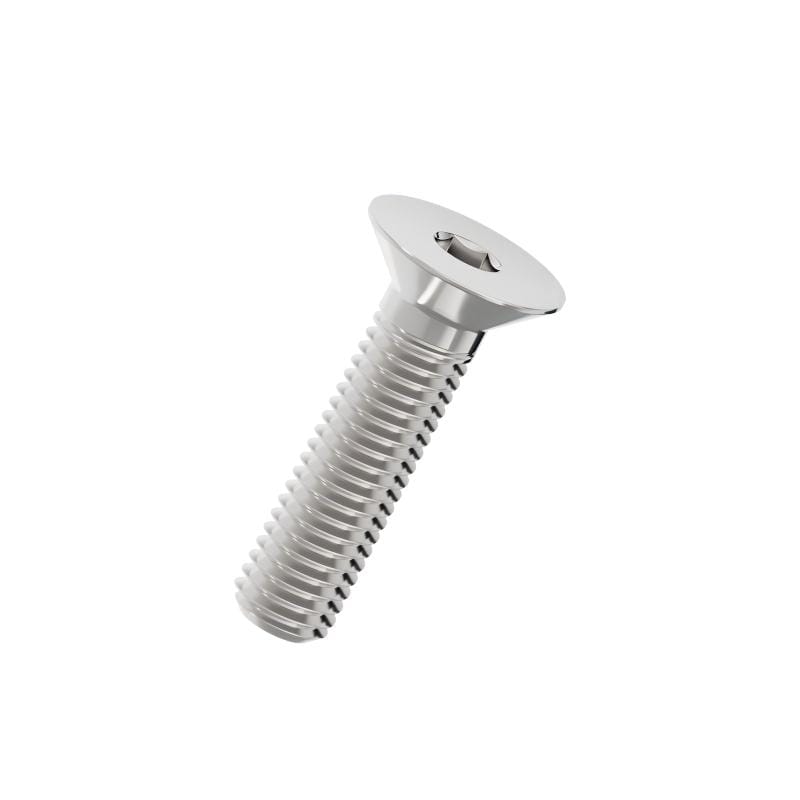
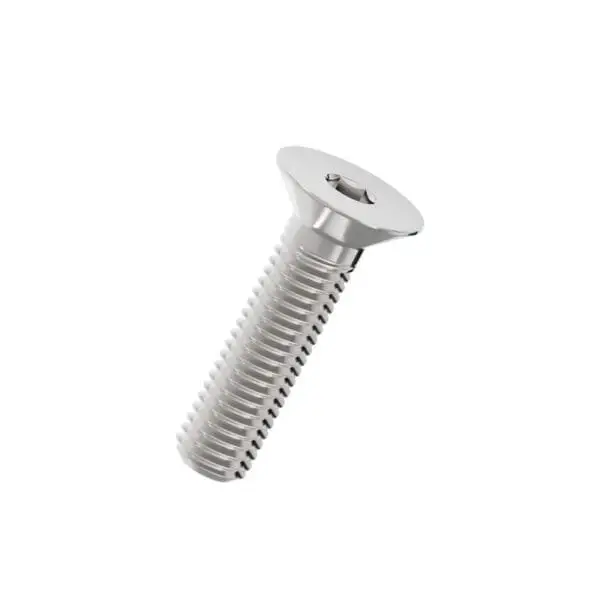
Why Choose Stainless Countersunk Screws?
In high-end manufacturing, the fastener should enhance the product, not detract from it. Stainless steel countersunk screws are the preferred choice when the screw head must disappear. By sitting flush, they allow for easy cleaning, prevent clothing snags, and offer an aerodynamic profile. The use of stainless steel ensures that this "invisible" fastener does not become a visible eyesore due to rust streaks or staining over time.Grade Selection Guide: A2 vs A4
Choosing the correct stainless grade is critical for the longevity of your assembly. Here is a quick comparison:| Feature | Grade 304 (A2) | Grade 316 (A4) |
|---|---|---|
| Environment | Indoor, Dry Outdoor, Urban | Marine, Coastal, Chemical |
| Key Resistance | Rain, Humidity, Oxidation | Salt Water, Chlorides, Acids |
| Best For | Furniture, Interior Fit-out | Boat Decking, Lab Equipment |
Quality Assurance
Fastener Core ensures that our materials perform as promised. An EN 10204 3.1 Material Certificate verifying the chemical composition of the stainless steel is available upon request. Please note that third-party inspection services require an additional fee.Common Applications
These flush-fitting screws are widely used in sectors prioritizing finish and function:- Marine Decking: Fastening planks and fittings where a protruding head would be a trip hazard.
- Food Industry: Conveyor belts and work surfaces where a smooth screw head prevents food traps.
- Architectural Handrails: Securing joints in stainless steel railings for a seamless touch.
- Consumer Electronics: Exterior casing assembly for high-value devices.