
Self-tapping screws
Premium Stainless Steel Self-Tapping Fasteners
Secure your assemblies with our comprehensive range of self-tapping screws, engineered exclusively from high-grade stainless steel. Designed to create their own precise mating threads in pre-drilled holes, these screws are essential for sheet metal fabrication, plastic assembly, and woodwork. Whether you are sourcing budget-friendly Grade 201 for indoor fixtures or marine-grade 316 for harsh environments, we offer flexible B2B and B2C solutions.
- Full Stainless Range: Exclusive inventory of AISI 201, 304 (A2), and 316 (A4) to match your corrosion resistance needs.
- Wholesale & Retail: Competitive tiered pricing for bulk cartons and convenient small-pack options.
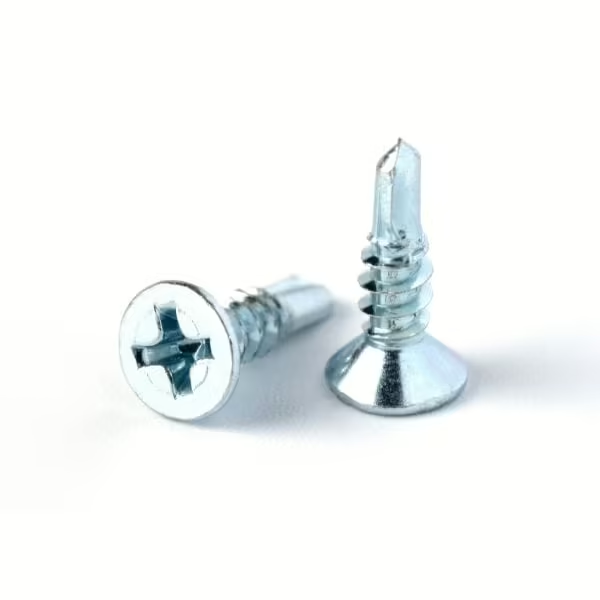
- Precision Standards: Manufactured to strict DIN/ISO specifications (Pan, Countersunk, Truss heads) ready for immediate dispatch.
- Quality First: Strict adherence to dimensional tolerances ensures smooth driving and secure holding power.

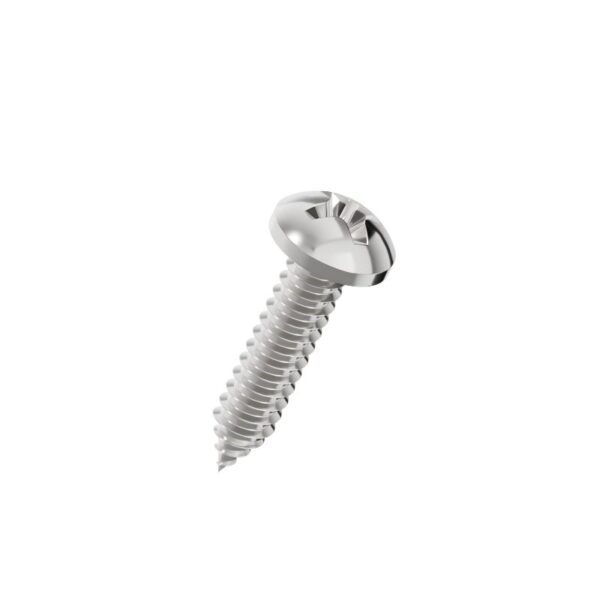
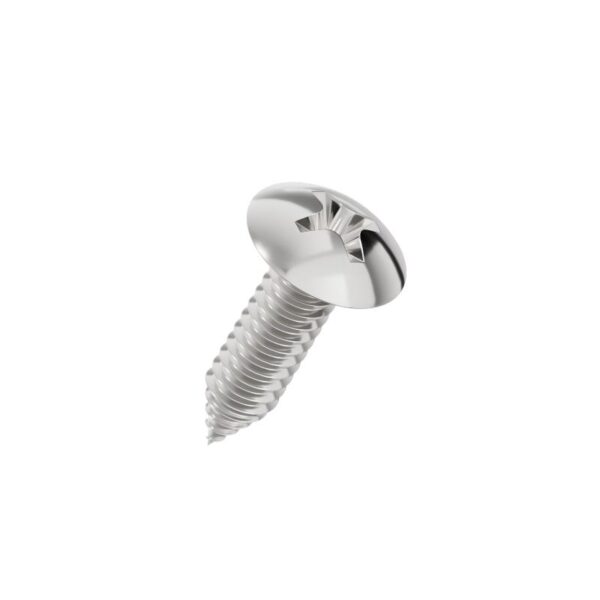
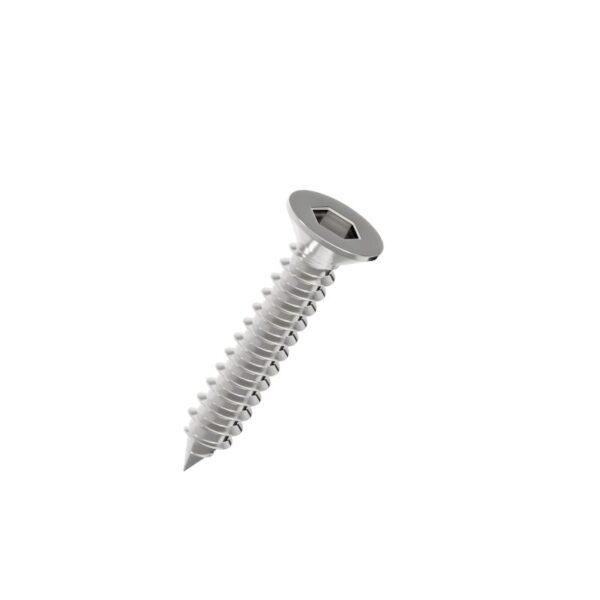
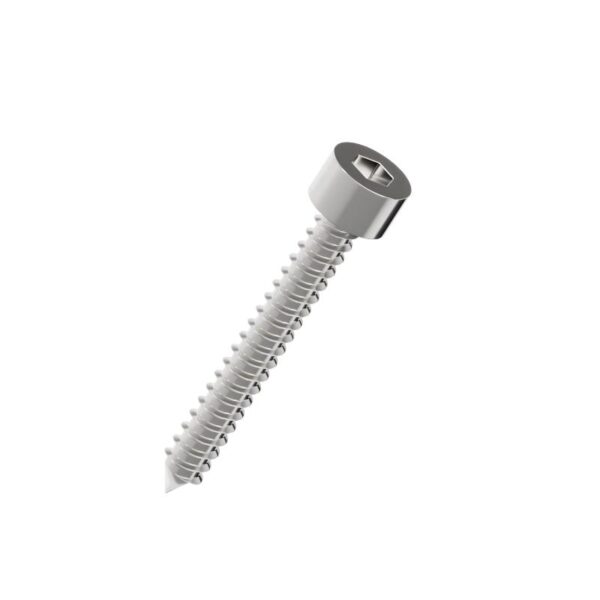
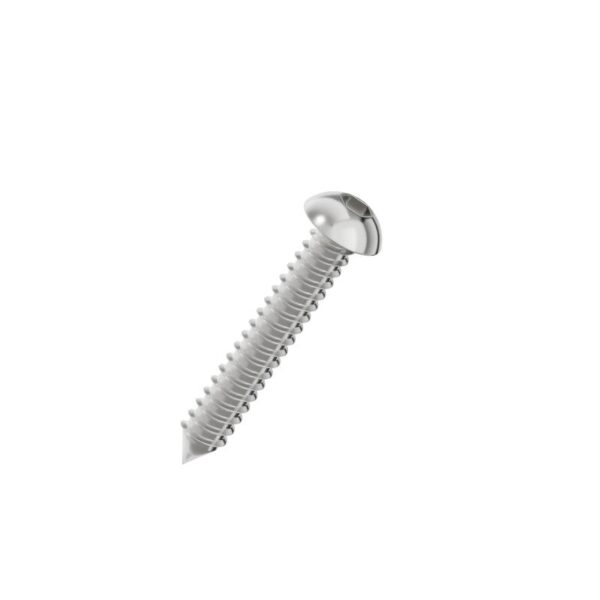
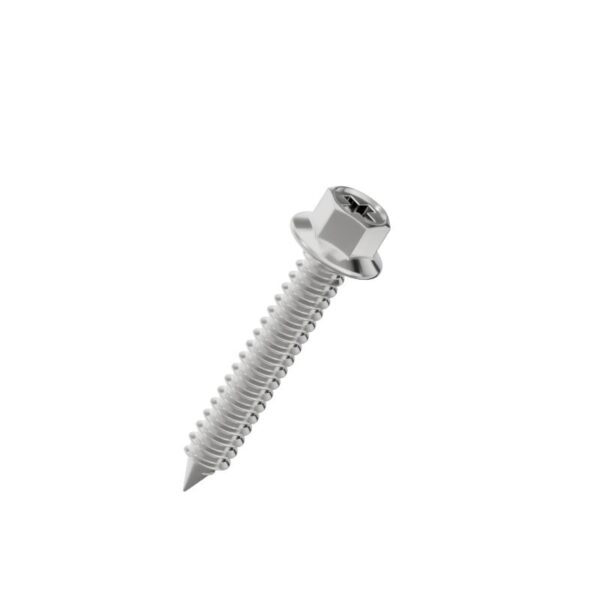
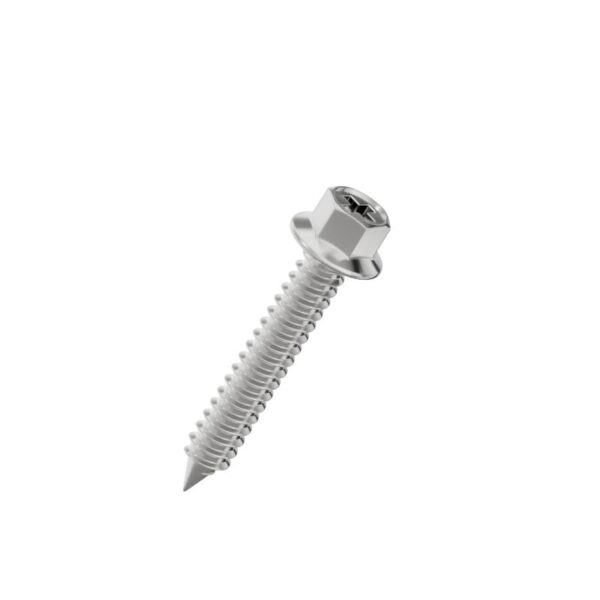
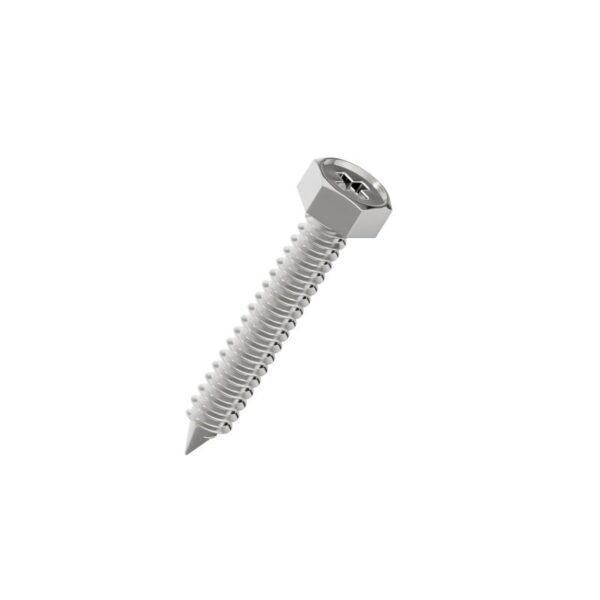
Understanding Self-Tapping Screws
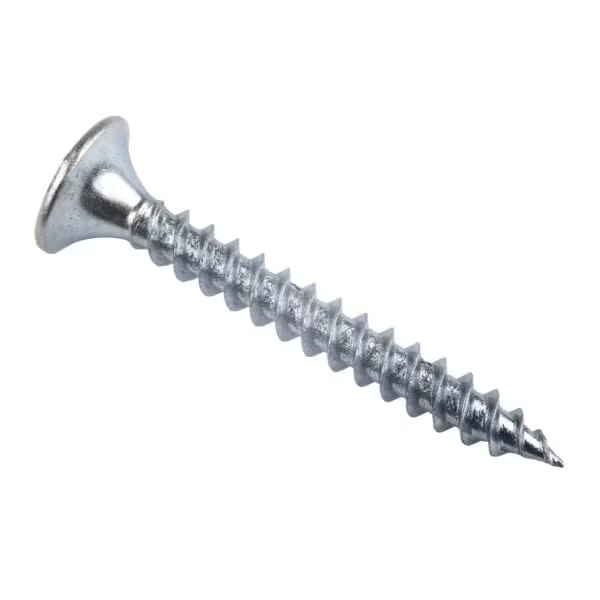
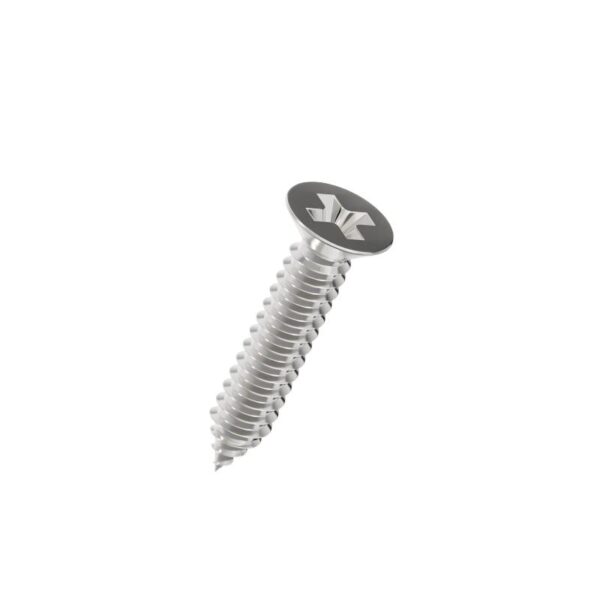
Self-tapping screws are fasteners designed to tap their own hole as they are driven into the material. Unlike machine screws which require a pre-tapped hole and a nut, self-tappers rely on the continuity of their thread pitch to cut or form threads into the substrate. They are widely used in HVAC ducting, automotive bodywork, and general manufacturing where access to the backside of the joint is limited. Our selection focuses entirely on stainless steel to ensure your projects remain rust-free and aesthetically pleasing over time.Material Grade Guide: Choosing the Right Stainless Steel
Since stainless steel self-tapping screws cannot be heat-treated to the same hardness as carbon steel, selecting the right grade involves balancing cost, corrosion resistance, and application environment.- AISI 201 Stainless Steel (Economic Grade): A cost-effective alternative with lower nickel content. While it offers higher tensile strength than standard steels, its corrosion resistance is limited. Best for: Indoor applications, dry environments, and decorative fixtures where humidity is controlled.
- AISI 304 / A2 Stainless Steel (Standard Industrial): The industry standard for "18-8" stainless. It offers excellent resistance to atmospheric corrosion and oxidation. Best for: General outdoor construction, automotive trim, and damp environments (excluding saltwater).
- AISI 316 / A4 Stainless Steel (Marine Grade): Contains added molybdenum, which drastically increases resistance to chlorides and acids. Best for: Coastal structures, marine equipment, chemical processing areas, and highly polluted industrial zones.