
Washer
Enhance Assembly Integrity with Stainless Steel Washers
Prolong the lifespan of your connections with our specialized range of stainless steel washers. Serving as the critical interface between fasteners and surfaces, these components distribute load to prevent damage and maintain tension under vibration. We stock essential flat, spring, and square profiles, manufactured from high-grade stainless steel to ensure lasting performance in corrosive environments. Fastener Core supports both wholesale production and individual project needs.
- Premium Materials: Exclusively offering high-quality Stainless Steel for superior rust resistance and durability.
- Volume Tiered Pricing: Competitive rates for bulk wholesale orders and flexible options for smaller retail packs.
- Global Logistics: Professional international shipping via sea, air, and land to ensure your supply chain remains stable.
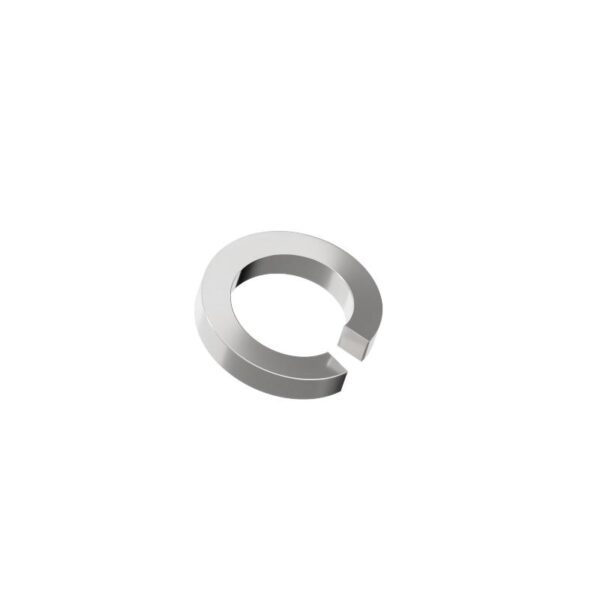
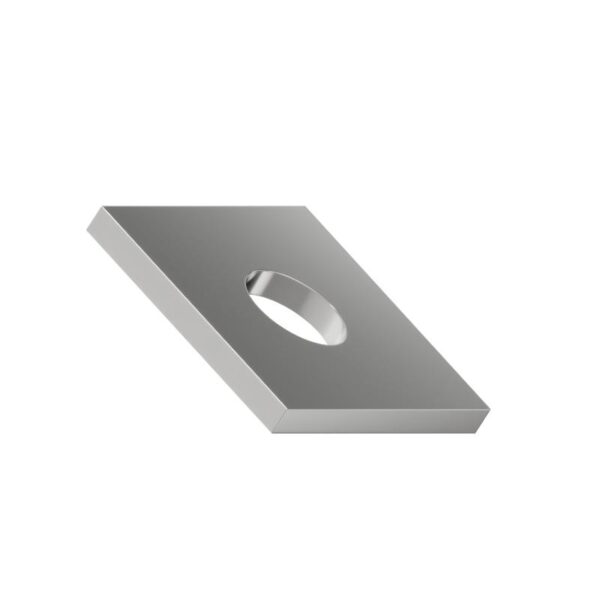
Overview of Our Washer Collection
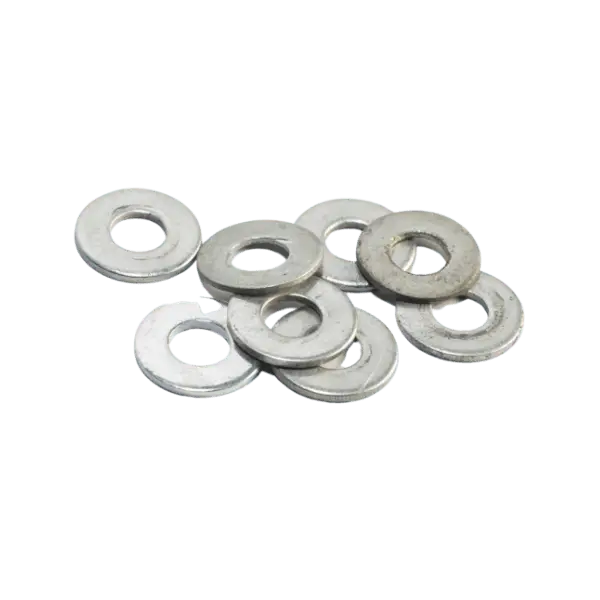
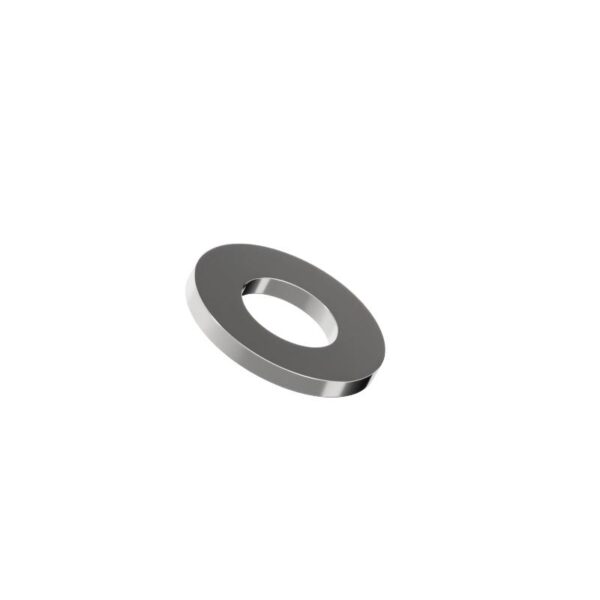
Washers are often the most overlooked component in a fastener assembly, yet they play a vital role in mechanical stability. A washer acts as a smooth barrier, protecting the mating surface from the rotation of the bolt or nut, while also expanding the surface area to distribute pressure. Our inventory focuses on the three most critical types: Flat Washers for general load distribution, Spring Washers for preventing loosening due to vibration, and Square Washers for heavy-duty channel or timber applications.Selection Guide: Washer Types and Functions
While all our washers are made from corrosion-resistant stainless steel, the shape defines the function. Choosing the correct profile is essential for the safety of the joint.| Washer Type | Key Characteristic | Primary Function | Typical Application |
|---|---|---|---|
| Flat Washer | Smooth, flat ring. | Distributes load; protects surface from damage. | General assembly, preventing bolt heads from pulling through soft materials. |
| Spring Washer | Split ring (helical coil). | Acts as a spring to maintain tension; prevents loosening. | Machinery, automotive parts, and assemblies subject to vibration. |
| Square Washer | Square plate with central hole. | Larger surface area; prevents rotation in channels. | Timber construction, strut channels, and heavy structural fastening. |